Worple Road flat move removals advice for tight staircases
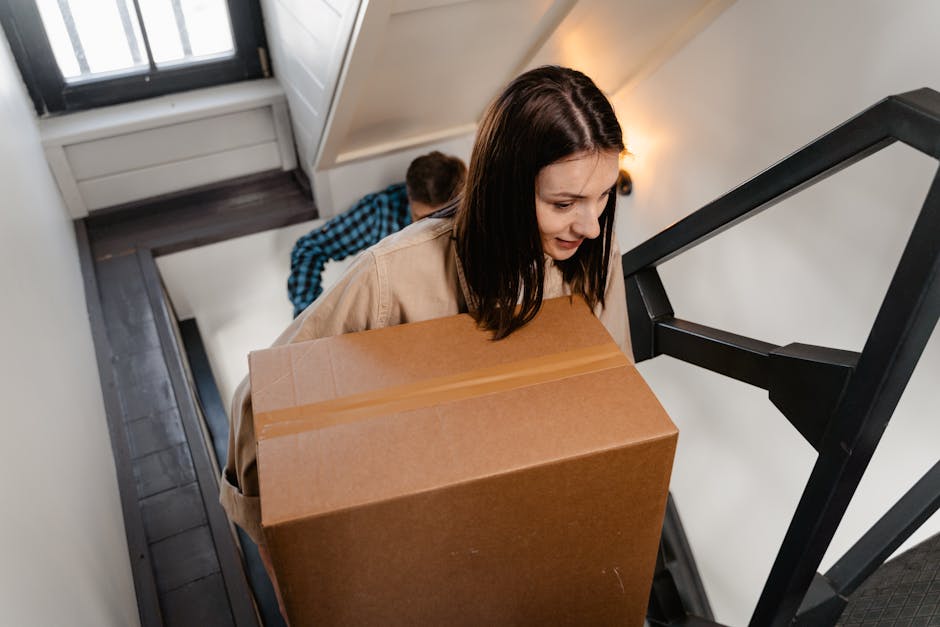
If you are planning a flat move on Worple Road and the staircase looks more like a puzzle than a route, you are not alone. Tight turns, narrow landings, awkward bannisters, and the odd low ceiling can turn an ordinary move into a very careful bit of logistics. This guide gives practical Worple Road flat move removals advice for tight staircases so you can plan properly, protect the property, and make the move feel much less stressful.
Truth be told, most staircase problems are easier to manage before moving day than during it. A few measurements, the right packing method, and a sensible route plan can save a lot of swearing on the stairs. Let's walk through what matters, what to avoid, and how to keep everything moving safely.
Why Worple Road flat move removals advice for tight staircases Matters
Staircases are one of those moving-day details people underestimate until they are standing in a hallway with a sofa wedged at a bad angle. On Worple Road, as with many London streets, flats can sit in period buildings, converted houses, or compact apartment blocks where the stairs were never designed with modern furniture in mind. That does not mean the move is difficult by default, but it does mean the margin for error is small.
A tight staircase changes almost everything: the size of items you can move in one piece, how many people you need, whether items should be wrapped differently, and whether disassembly is worth the effort. A wardrobe that looks harmless in the lounge can become a serious issue at the first bend. A mattress can flex. A dining table may need the legs off. And a heavy washing machine? That is not something you casually muscle down a steep, narrow stairwell, no matter how optimistic everyone feels at 8:30 a.m.
The key point is this: good removals advice here is about preventing damage, delay, and strain. It is also about respecting the property. Scuffed paintwork, chipped plaster, broken bannisters, or damaged banisters quickly become expensive annoyances. With a bit of preparation, those problems are usually avoidable.
Practical summary: if the stairs are tight, measure early, strip furniture where sensible, protect edges, and plan the route as carefully as the packing. That alone removes a surprising amount of stress.
How Worple Road flat move removals advice for tight staircases Works
The process is less about brute force and more about sequencing. A successful stair-sensitive flat move usually starts with measurements, then a room-by-room assessment, then packing and dismantling, and finally a controlled move-out path. Simple enough on paper. A bit fiddly in reality, as these things often are.
First, assess the staircase itself. Measure the width at the narrowest point, the depth of landings, the height of any low ceilings, and the turning space at corners. Don't just measure the top and assume the rest will be the same; older staircases can change width halfway up, which is exactly the sort of detail that causes trouble. If there is a handrail, note how much clearance it steals. If the stairwell has sharp walls or awkward curves, that matters too.
Then look at the items to move. Some things travel fine as they are. Others should be dismantled. Bed frames, wardrobes, large desks, and some sofas often move better in parts. This is not about making the job slower for the sake of it; it is about making the item smaller, safer, and easier to angle through a tight route. In removals, a few extra minutes with a screwdriver can save an hour of wrestling.
On moving day, the route should be kept clear, the lifting plan agreed in advance, and the heaviest items tackled when everyone is fresh. It sounds basic, but basic is good. Especially on stairs. You want a steady rhythm, not a frantic scramble while someone shouts "turn it sideways" for the fifth time.
If the access is especially awkward, the job may benefit from extra equipment such as furniture sliders, shoulder straps, stair protection, blankets, or even temporary dismantling of bulky items. The best method depends on the flat, the furniture, and the staircase. There is no one-size-fits-all fix, which is annoying but true.
Key Benefits and Practical Advantages
People usually think of removals advice as a way to make the day easier, and yes, that is part of it. But with tight staircases, the benefits are broader than convenience.
- Less damage risk: careful planning reduces scuffs on walls, dents in banisters, and knocked corners on furniture.
- Better safety: narrow stairs and heavy objects are a bad combination if people rush or overreach.
- Faster progress: a planned route and properly prepared furniture usually move faster than improvised carrying.
- Lower stress: when everyone knows what goes first and what needs dismantling, the day feels calmer.
- More efficient use of labour: a good plan helps the team focus effort where it matters most.
There is also a subtle but real benefit: you are less likely to discover problems in the middle of the move. That awkward moment when a sofa gets stuck halfway down the stairs? Better to avoid it entirely. Once you have one item blocking the route, the whole move slows down. People get hot, tired, and frustrated. Not ideal. A proper plan helps you keep the momentum.
For landlords, tenants, and owner-occupiers alike, a smoother stairway move also makes life easier for neighbours. Less banging, fewer delays in shared hallways, and a far smaller chance of leaving a bad impression in the building. That matters more than many people think.
Who This Is For and When It Makes Sense
This advice is useful if you are moving from or to a flat on Worple Road and any of the following sound familiar:
- the staircase is narrow or steep
- there are sharp corners or small landings
- the building is older or converted
- you have large furniture, white goods, or awkward items
- the move involves limited access or shared hallways
- you want to reduce the chance of wall or banister damage
It is especially relevant for renters leaving a top-floor flat, couples moving into a conversion, or anyone with furniture that was bought with a lift in mind and then introduced to a very different staircase. We have all seen that one wardrobe that seemed manageable in the shop and, frankly, has other ideas at home.
This approach makes sense whenever access is the main complication. If your new place has a roomy lift and generous corridor space, great. If not, treat the staircase as a major part of the moving plan, not a minor detail.
Step-by-Step Guidance
Here is a clear, practical way to approach the move.
1. Measure the staircase and the furniture
Start with the staircase, not the van. Measure the width, landings, ceiling height, and turning points. Then measure the biggest items you need to move. For bulky pieces, note not just the overall size but the awkward bits: feet, handles, armrests, and anything that sticks out.
If you are unsure whether something will fit, compare the narrowest stair width with the item's smallest workable angle. That little bit of logic can make the answer obvious before you start sweating on the landing.
2. Decide what should be dismantled
Anything that can be safely disassembled should be considered seriously. Bed frames, some wardrobes, shelving units, and tables are common candidates. Keep screws, bolts, and fittings in clearly labelled bags, and tape those bags to the relevant item or keep them in one marked box. Otherwise, moving day becomes a treasure hunt. No one wants that.
3. Protect the property first
Use blankets, corner guards, cardboard, or stair protection where needed. Focus on the tightest points: sharp bends, bannisters, door frames, and any decorated walls that sit close to the route. If the building has freshly painted areas, take extra care. A small chip can turn into a surprisingly awkward conversation later.
4. Pack for safer handling
Boxes should be sturdy, sealed properly, and not overfilled. Heavy items belong in small boxes, not one heroic carton that no one can lift without grimacing. Keep breakables cushioned and make sure the heaviest boxes are not buried under awkward loads. The goal is stable lifting, not guessing what is inside a box from the sound it makes when picked up.
5. Move the largest items at the right time
Large items are usually best moved early, when energy and focus are still good. If a piece needs to go down stairs, assign enough people to guide it carefully. One person should call the pace, and everybody else should follow that instruction. Random chatter is charming at dinner. Less so on a staircase.
6. Keep the route clear
That means removing loose shoes, bags, recycling, prams, pet items, and anything else that might become a trip hazard. Shared hallways should be kept clear too. It sounds obvious, but people forget quickly when the flat starts to empty and objects appear to multiply.
7. Review each item before it moves
Before carrying something, ask: is this item too wide, too heavy, too awkward, or too fragile for the route as it stands? If yes, pause and change the plan. It is much better to adapt before you are halfway down the stairs with no good options.
Expert Tips for Better Results
When stair space is tight, small details make a big difference.
- Use furniture blankets generously. They help protect both the item and the walls, especially on corners.
- Remove feet, handles, and shelves. That extra inch or two often matters more than people expect.
- Take doors off only if needed. It can help with angles, but only if you know how to refit them safely later.
- Film or photograph complex disassembly. A quick phone video during dismantling can save time on reassembly.
- Keep one small tool kit handy. Screwdrivers, an Allen key set, tape, and a marker pen are the usual basics.
- Plan for weather too. Wet boots and damp boxes make stairs slippier, particularly in winter. Bit of a nuisance, honestly.
One more tip: do not let the first difficult item set the tone for the whole day. If an item is awkward, slow the pace and solve it properly. A calm five-minute pause is better than a rushed twenty-minute mess. People forget this under pressure.
And yes, a little humour helps. If the sofa appears to have become spiritually attached to the stairwell, take a breath before trying again. That joke lands better after the item is actually moving.
Common Mistakes to Avoid
Most moving problems on tight stairs come from a handful of avoidable errors.
- Not measuring properly: guessing is the fastest route to frustration.
- Leaving dismantling too late: if the item needs to be taken apart, do it before the pressure builds.
- Using too few people: one strong person is not the same as a coordinated team.
- Forcing oversized items through: if something clearly does not fit, forcing it is how damage happens.
- Poor box packing: overpacked boxes are awkward and dangerous on stairs.
- Ignoring walls and bannisters: furniture may fit, but only if the route is protected.
- Rushing at the end of the move: fatigue leads to poor lifting and clumsy footwork.
There is a quieter mistake too: assuming every staircase challenge is the same. It is not. A straight narrow stairwell is different from a staircase with a sharp turn and a low ceiling. A carpeted staircase behaves differently from a polished one. Even the sound changes; you hear the scrape of the blankets, the thump of the steps, the awkward pause when everyone realises the angle needs adjusting. Those little differences matter.
Tools, Resources and Recommendations
You do not need a van full of specialist kit to make a stair move work, but a few basics help a lot.
| Tool or item | What it helps with | Why it matters on tight stairs |
|---|---|---|
| Furniture blankets | Protection during carrying | Reduces scuffs and impact on walls and bannisters |
| Stretch wrap | Holding drawers and loose parts in place | Keeps items stable while being turned or lifted |
| Furniture sliders | Moving items across floors | Useful before the staircase stage begins |
| Tool kit | Dismantling and reassembly | Essential for items that need to be broken down |
| Corner protectors | Shielding walls and edges | Helpful at awkward bends and narrow landings |
| Tape and labels | Organisation | Prevents missing fittings and confusion later |
Beyond the kit itself, the biggest resource is still planning time. Give yourself enough of it. If you can, walk the route before moving day and take note of anything that could catch, snag, or slow the team. A dim landing light, a sticky door, a loose mat, all of that adds up.
For readers looking for broader moving help, it can also be useful to think about the full home-removal process, not just the staircase stage. If your move involves packing, access planning, and a tight deadline, reading practical guidance from related moving advice pages can help you shape the job as a whole. For example, some people also find it useful to compare approaches with removals planning resources when preparing a more complex flat move.
Law, Compliance, Standards, or Best Practice
For a flat move like this, the main compliance concerns are usually safety, property care, and building access rather than complicated legal rules. That said, it is sensible to follow recognised best practice.
If you are moving in a leasehold or shared building, check any building rules about use of communal areas, lift booking if relevant, parking, and noise. Some buildings ask residents to protect hallways or avoid certain hours for bulky items. If a managing agent or landlord has given instructions, treat them seriously. It is not worth turning a move into a complaint.
Health and safety also matters. Heavy lifting should be controlled, not improvised. If something is too heavy, too awkward, or unsafe to move manually, stop and rethink. Good removals practice is about reducing risk, not proving toughness. The bravado can stay at home.
In UK moving situations, there is also a common-sense duty to avoid damage to the property and to take reasonable care with shared access areas. That includes protecting walls, not blocking exits, and keeping walkways clear. If the move involves vulnerable items or difficult access, using experienced movers is often the safest practical choice.
Options, Methods, or Comparison Table
There is more than one way to handle a stair-sensitive flat move. The right method depends on the furniture, the staircase, and how much time you have.
| Method | Best for | Advantages | Limitations |
|---|---|---|---|
| Move items intact | Smaller furniture and simple stair routes | Fast, less reassembly | Not suitable for bulky or awkward pieces |
| Dismantle larger items | Wardrobes, beds, tables, shelving | Easier to carry and angle through turns | Takes planning and careful reassembly |
| Use additional protective equipment | Shared hallways and delicate finishes | Reduces scuffs and impact damage | Adds setup time |
| Bring in professional movers | Heavy, awkward, or time-sensitive moves | Experience, coordination, better handling | Higher cost than doing it yourself |
In practice, most successful moves use a blend of these methods. A bed may be dismantled, a chest of drawers moved intact, and fragile items packed separately. That mix-and-match approach is often the smartest way. There is no medal for doing everything the hardest way.
Case Study or Real-World Example
Here is a realistic example. A couple moving out of a first-floor flat near Worple Road had a staircase with a tight 90-degree turn and a narrow landing. Their biggest concern was a king-size bed frame, a compact sofa, and two tall bookcases. At first glance, the sofa looked like the main problem. It turned out the bookcases were trickier because of their height and the banister position.
The solution was simple but careful. The bed frame was dismantled fully, the bookcases were emptied and moved in a controlled angle, and the sofa was carried with extra wrapping on the corners. The movers protected the stair edges, cleared the hallway before starting, and moved the heaviest items early in the day. Nothing dramatic happened, which is exactly what you want. No crunching noises. No scraped plaster. No last-minute panic.
The interesting bit? A ten-minute measurement check the day before prevented a much bigger problem. One shelf unit would not have made the turn upright, so it was taken apart in advance. That small decision probably saved half an hour and a headache. Sometimes the best moving story is the boring one. That is a compliment.
Practical Checklist
Use this before moving day if your flat move involves tight stairs.
- Measure the narrowest stair points, landings, and any low ceilings
- Measure large furniture, especially the widest and tallest parts
- Decide what needs dismantling
- Pack fittings, screws, and small parts in labelled bags
- Protect walls, bannisters, and door frames
- Clear hallways, entrances, and the stair route
- Use sturdy boxes and avoid overpacking them
- Assign enough people for heavy or awkward items
- Move bulky pieces before everyone gets tired
- Keep a tool kit and tape close to hand
- Check building rules if the flat is shared or leasehold
- Allow a little extra time for awkward items
Expert summary: tight staircases are manageable when you treat them as a planning problem first and a lifting problem second. Measure carefully, dismantle what you can, protect the route, and keep the team calm. That is usually the difference between a stressful scramble and a move that feels under control.
Conclusion
Worple Road flat move removals advice for tight staircases comes down to a simple idea: slow the thinking down, so the lifting can go smoothly. If you understand the route, prepare the furniture, and protect the property, the staircase stops being a nightmare and becomes just another part of the move.
Not every flat move needs specialist equipment or a huge team. But every tight staircase deserves respect. A few sensible choices made early will save damage, time, and that awful feeling of being stuck with no elegant way forward. And once the last box is down and the stairwell is clear, you really will feel the relief. Proper relief.
If your move feels complicated, start with measurements and a route plan, then build from there. A calm, well-organised move is still possible, even on a tricky staircase.
Get a free quote today and see how much you can save.
Frequently Asked Questions
How do I know if my sofa will fit down a tight staircase?
Measure the sofa at its widest points, then compare that to the narrowest part of the staircase and the turn at the landing. In many cases, the deciding factor is not the width alone but the angle needed to turn it safely. If it looks borderline, assume it will need an alternative plan.
Should I dismantle furniture before moving it down narrow stairs?
Usually, yes, if the item can be dismantled safely and reassembled without trouble. Bed frames, shelves, table legs, and some wardrobes are often easier to move in parts. The goal is to reduce bulk and make the item easier to control on the stairs.
What is the safest way to move heavy items on stairs?
Use enough people, keep the route clear, protect the property, and move slowly. One person should give directions so the team stays coordinated. If something feels unsafe or too heavy, stop and reassess rather than forcing it.
How much time should I allow for a flat move with tight staircases?
Allow extra time beyond a standard flat move. Tight stairs slow everything down a little, especially for bulky items or fragile pieces. Even if the flat itself is small, access issues can add more time than people expect.
Do I need special equipment for a staircase move?
Not always, but furniture blankets, tape, labels, and basic tools are very useful. For awkward routes, corner protection and sliders can help too. The exact equipment depends on the furniture and the layout of the building.
How can I protect walls and bannisters during the move?
Wrap furniture corners, use blankets, and add protection to tight corners and landing edges. Clear the route so items are not dragged or turned too sharply. A little protection in the right places goes a long way.
What should I pack first when moving from a flat with narrow stairs?
Pack non-essential items first, then move to smaller, easier-to-carry boxes and dismantled furniture parts. Keep heavy items in manageable boxes rather than overfilling them. Save awkward large pieces for the part of the day when everyone is still fresh.
Can I move everything myself if the staircase is narrow?
Sometimes, but it depends on the size of the furniture, your experience, and whether you have enough help. Many people can manage a small flat move by themselves, but heavy and awkward items are much safer with support. It is one of those jobs where confidence should be balanced with common sense.
What are the biggest mistakes people make on tight stair moves?
The biggest mistakes are poor measuring, rushing, using too few people, and not protecting the route. Another common one is leaving dismantling until the last minute. That tends to create avoidable stress right when you need calm.
How do I plan around shared hallways or neighbours?
Keep communal areas clear, work efficiently, and avoid unnecessary noise or delays. If the building has rules about moving times or access, follow them. Being considerate usually makes the day smoother for everyone, including you.
When should I hire professional movers instead of doing it myself?
If the staircase is very tight, the items are heavy, or the move has to happen on a tight schedule, professional help is often worth it. Experienced movers are used to awkward angles and can usually make the job more predictable. Sometimes the sensible choice is also the calmer one.
What is the best way to avoid damage to expensive furniture?
Empty the item where possible, wrap corners and surfaces, and dismantle any removable parts. Keep the item supported properly during turns and avoid forcing it through a space that is too tight. Slow, careful handling usually protects furniture better than speed ever will.